
I'm the Hyperope My Optometrist Kept Missing for Years
Plus everywhere, never distance blur, and one orthokeratology trick that turns hyperopes into evangelists.


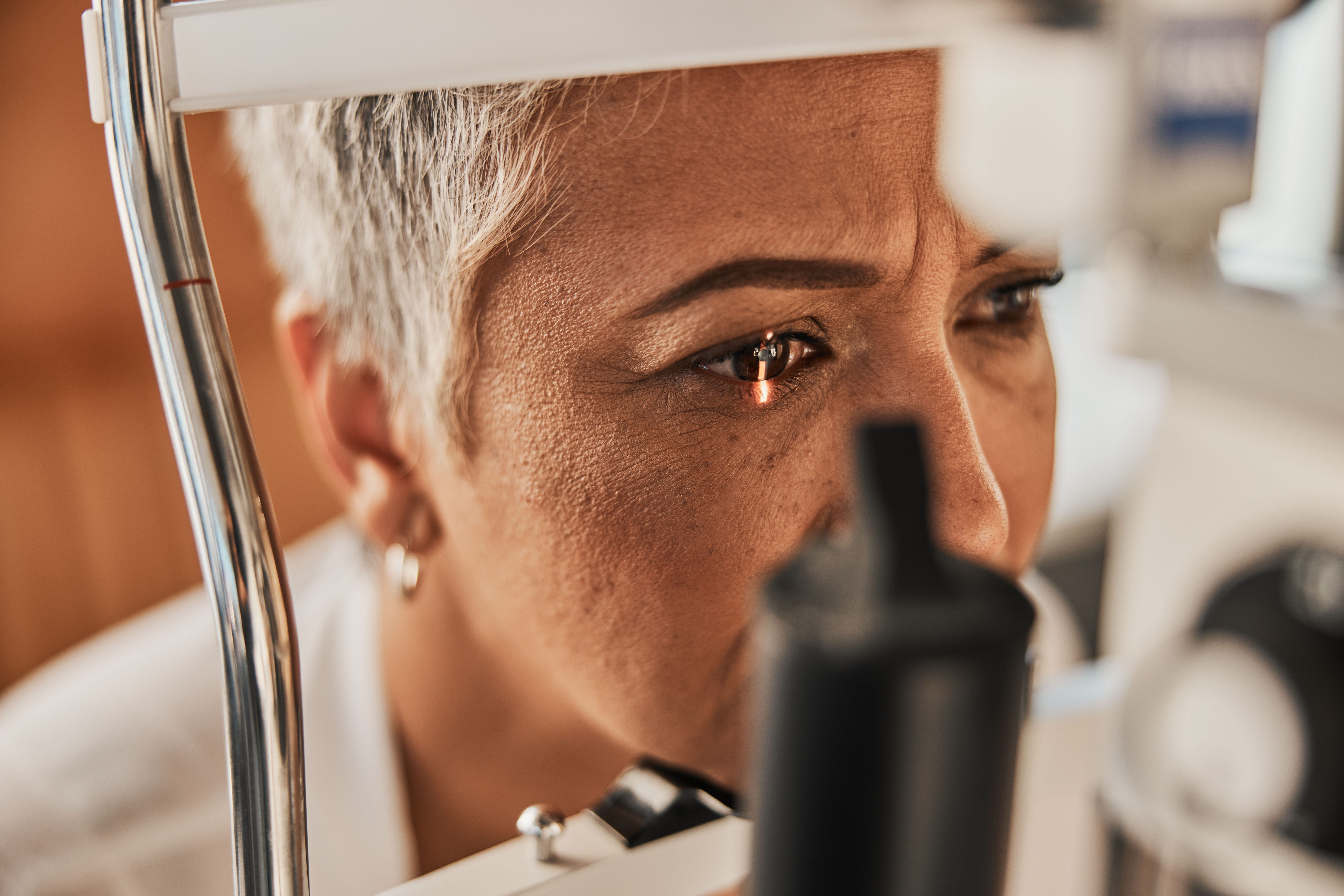
For most of my career I held the reading card up, watched my hyperopic patients squint and shrug, and moved on. I now realize one of those patients was me — a hyperope sliding through my own exams in self-denial until midlife dragged me kicking into a near add. Hyperopia is the refractive error our profession has quietly agreed to under-treat, and six to eight hours a day in front of a screen has turned that polite oversight into something closer to malpractice.
Six to Eight Hours of Screens Is Not "Natural Accommodation"
In this day and age when computers dominate everywhere and most of our patients young and old are suffering from CVS whether we measure it or not. The old argument that it wasn’t more natural to let the patient naturally accommodate to meet demand has no plausibility today. What we do in front of these screens for six to eight hours a day is anything but a natural use of our visual system. We are not a hunter-gatherer society anymore but realizing that there is no amount of evolution of the human visual system that can deal with this.
What we do in front of these screens six to eight hours a day is anything but a natural use of our visual system.
We as eye doctors need to accept this and begin looking at this self-imposed abuse that our patients must endure daily. And at the top of the chart of abuse is the Hyperope who by definition is lacking in plus everywhere. If you stop the exam at the distance refractive status with acuity and do only a cursory look at the nearpoint tasks falling on the Hyperope’s visual system you’re likely to miss this. What helped me navigate these waters better was the fact that I was a missed candidate for treatment myself. Yes, I knew the symptoms but the denial was there as I commenced with every known cure to humankind outside of addressing the real issue.
Yes, ergonomic issues when addressed make a big difference and taking more frequent breaks in front of a computer screen definitely helped but the issue really almost is being danced around. It caused me to develop my own rules for Hyperopic engagement with these patients. By adopting them it cleared up my issues on why I wasn’t addressing this directly with my in-denial patients and offered a clear runway to land the plane!
Why the +0.50 Wasn't Snake Oil
Back in the day the prescription of +.50 in a glasses Rx was very common. It seemed it was like a magic elixir for all that ails you visually. My Dad prescribed it a lot for his patients who had not yet become myopic and surprisingly it was actually pretty effective. Yes, it drew the ire of other professions as being a smoke and mirrors approach or just plain wanting to “sell” a pair of glasses with a meaningless script, but was it really? Could this very mild plus prescription have been answering the needs of these Hyperopes? It didn’t dawn on me until later how this very simple low plus script was answering one of my “rules” in Hyperopic engagement.
Two Rules for Prescribing to Hyperopes
The first rule was that Hyperopes require plus everywhere but especially at closework. This rule is surprisingly applicable to all ages including your pediatric patients. Unless the accommodation is locked up in a high AC/A ratio, all these patients will benefit. You have to think big picture here always and push plus. The second rule is they absolutely will not tolerate distance blur. So don’t do it to them. Make sure you back off your subjective by at least a quarter diopter in plus OU. This works every time. Follow these two rules and you’re golden.
Hyperopes require plus everywhere — but especially at closework.
The question remains: how do you deliver the correction? For my computer users the near variable focus lenses are incredibly effective along with more lifestyle-friendly pair depending on prescription needs. Multifocal contact lenses are incredibly useful for our computer users as well and allow you to adapt the optics for best overall results. The best of this is being able to look up and still having the reading add available if needed.
Incidentally, these principles are not just limited to Hyperopes though some are specific to that condition. Start practicing with the idea that your patients are visually compromised by all this screen time and do something about it.
Hyperopic OrthoK: The Legend Maker
My sure-fire winner, however, when it came to bringing the optics home to the visual system is Hyperopic OrthoK. By molding the steeper central cornea and the aspheric zones created outside the central visual axis you are giving these patients an incredible and effective lifestyle solution. Freedom when it comes to vision cannot be understated. And by learning this technique and actually doing effective Hyperopic OK on your patients you are creating what my mentor Newton K. Wesley called a legend of yourself. Think about it.
Where to Learn This
Best way to move forward on this is to attend VBD and take offered workshops on Hyperopic OrthoK design. If you haven’t already done so, find a mentor as well.
 | A guest post by
|